introduction: when deploying vps in the kt computer room in south korea, e-commerce and live broadcast have different requirements for bandwidth and stability. this article focuses on the vps configuration selection, bandwidth model, network optimization and testing methods of south korea's kt computer room to help decision-makers make reasonable configurations based on cost-effectiveness and performance.
when choosing a kt computer room in south korea, you need to evaluate the physical routing and international egress delays from the computer room to the target user group. e-commerce attaches great importance to request response and database access delay, while live broadcast emphasizes uplink stability and packet loss rate. it is recommended to evaluate the delay distribution and jitter through multi-point ping/traceroute and real business testing.
bandwidth is usually divided into modes such as exclusive and shared, peak billing and fixed bandwidth. e-commerce companies need to ensure peak bandwidth during high-concurrency promotions, while live streaming pays more attention to sustained upstream bandwidth and support for burst traffic. when choosing, you should first confirm the bandwidth guarantee, burst capacity and traffic billing details to avoid traffic capping or jitter that affects the user experience.
vps configuration needs to be adjusted according to the type of business: e-commerce focuses on databases and concurrent requests, and recommends higher cpu cores and reliable random access performance; the live broadcast side needs to handle video packaging and streaming, emphasizing single-thread performance and i/o throughput. disks should be selected with stable iops and backup strategies to ensure data consistency and recovery capabilities.
e-commerce focuses on concurrent requests, database performance and caching strategies. it is recommended to configure sufficient memory for the cache and application layer, use disks with higher io performance, and enable read-write separation or master-slave database architecture. combined with load balancing to reduce single-point pressure and configure monitoring alarms to ensure stable promotion periods.
live streaming is sensitive to upstream bandwidth, packet loss, and jitter, so priority must be given to ensuring a stable upstream channel and sufficient bandwidth. if there is a need for transcoding, you should consider instances with gpus or high-frequency cpus, and combine them with edge cdn to reduce latency and buffering. implement rate control and connection concurrency limits to prevent single-point congestion.
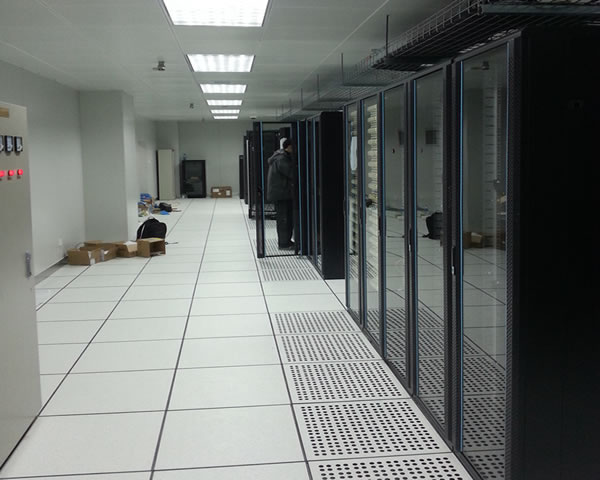
caching static content through cdn can significantly reduce the bandwidth pressure on the origin site, which is especially effective for e-commerce static resources and live broadcast on-demand. load balancing is used to spread out requests and enable failover. for cross-region users, it is recommended to deploy multiple nodes and enable intelligent scheduling to improve nearby access experience and disaster recovery capabilities.
stress testing, long-term stability testing and real traffic playback should be conducted before and after going online, focusing on monitoring throughput, latency, packet loss and cpu/memory bottlenecks. establish a log and alarm system, set sla indicators and regularly practice the expansion process to ensure rapid expansion and recovery when encountering sudden traffic.
summary: when choosing a vps configuration in the kt computer room in south korea, first evaluate the target user location and latency, and then select the bandwidth mode and hardware specifications based on the business characteristics of e-commerce or live broadcasting. combined with cdn, load balancing and complete testing and monitoring mechanisms, a scalable deployment strategy is formed. it is recommended to verify in stages and reserve expansion space to cope with business peaks.
- Latest articles
- Analyzing Japanese cloud server purchase websites from the perspective of customer reviews: What it means and how to judge quality
- Comparative Analysis of Performance and Security between Native Vietnamese IP Cloud Servers and Traditional VPS
- How can companies reduce the cost of US CN2 servers through optimized allocation
- Decision Analysis on Whether Thailand Needs to Set Up Roaming Servers for Cross-Border Business Expansion
- Plan and pricing explained: Where to subscribe to Korean original IPs, comparison of advantages and disadvantages of different plans
- Popular tags
-

the role of korean cloud servers in media and live broadcast scenarios ensures stable video playback and bandwidth flexibility
analyze how korean cloud servers ensure stable video playback and bandwidth elasticity through cdn, elastic scaling, low-latency network and disaster recovery mechanisms in media and live broadcast scenarios, and provide optimization suggestions. -

analysis on the application of korean miajie vps in online games
this article analyzes the application of korean instant vps in online games and discusses its advantages, applicable scenarios and best practices. -

how to choose a suitable korean vps imported pump service
this article will provide you with professional guidance on choosing a suitable korean vps imported pump service, including considerations and suggestions to help you make an informed choice.